
Through an anti-racism and anti-oppression-focused artist-in-residence program, this research aims to test new strategies, grounded in contemporary artistic practices and gallery-based education, for promoting anti-racism, anti-oppression, and transformative action on university campuses. This will lead to innovative approaches for developing learning materials and resources that promote social and cultural attitudes and behaviours that actively counter racism and oppression. The project will promote intercultural dialogues about anti-racism and anti-oppression through and with art, reducing societal barriers in arts and culture, and contributing to a new public narrative.
Three artist residencies are at the centre of this project. We are pleased to announce that the first residency will be with kimura byol lemoine:
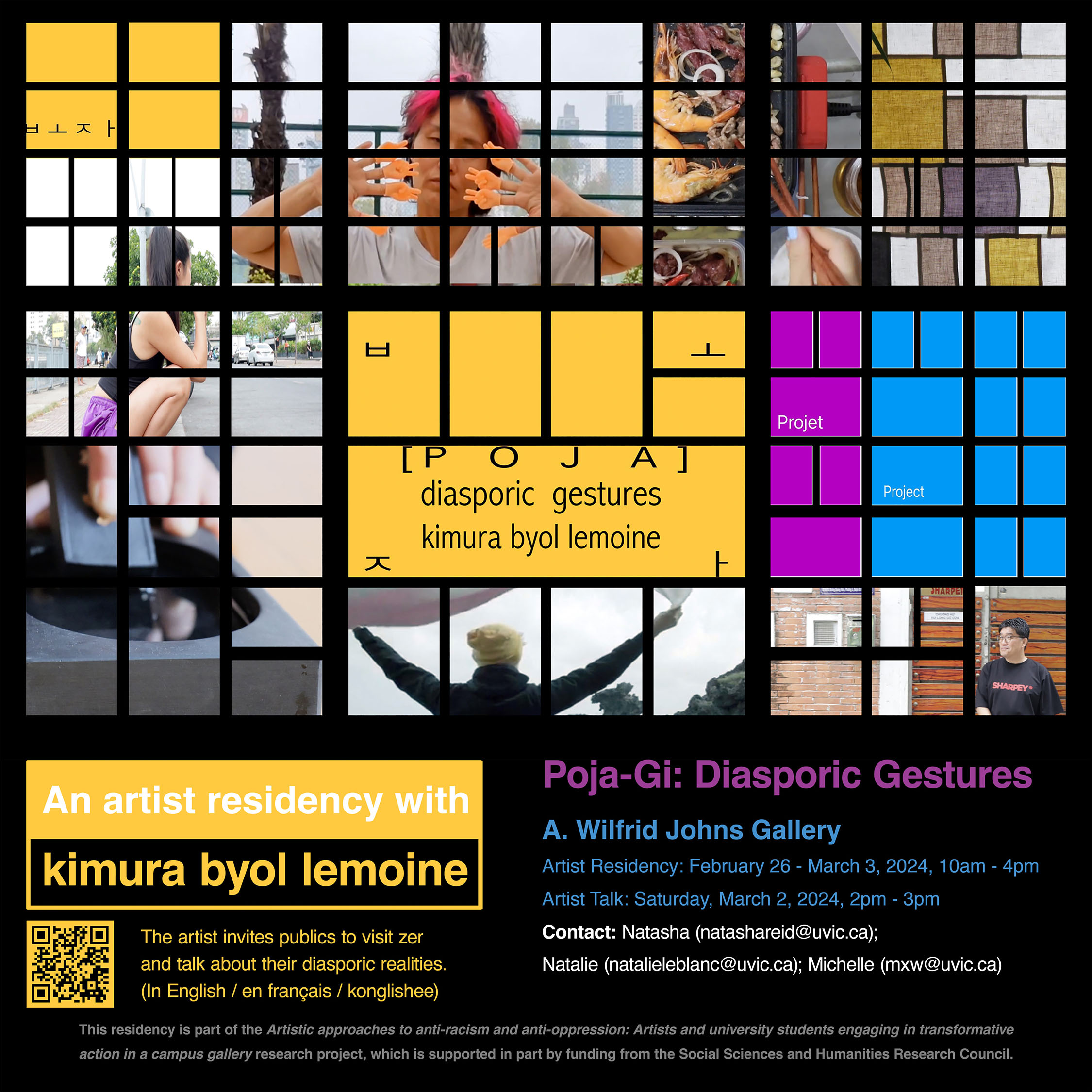
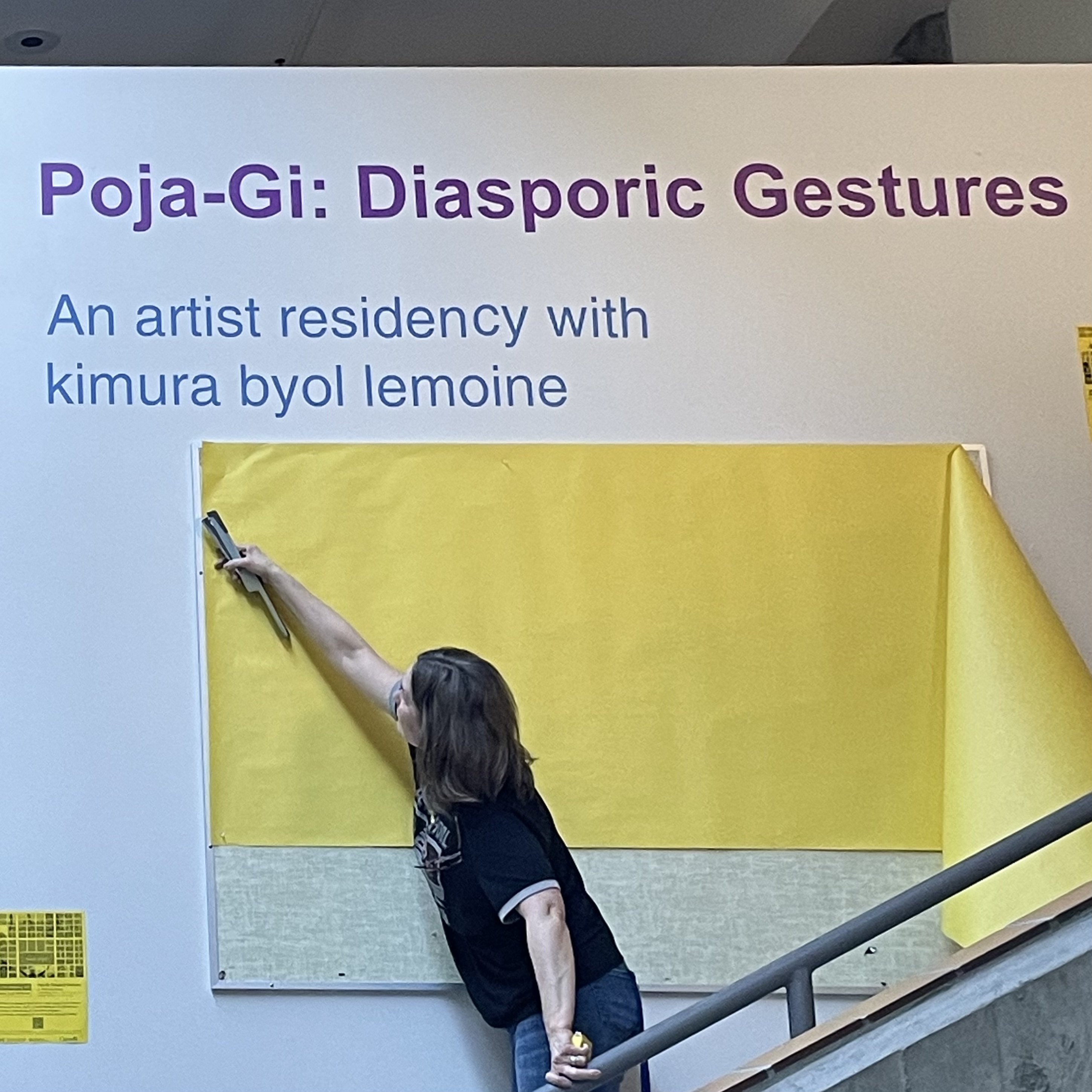
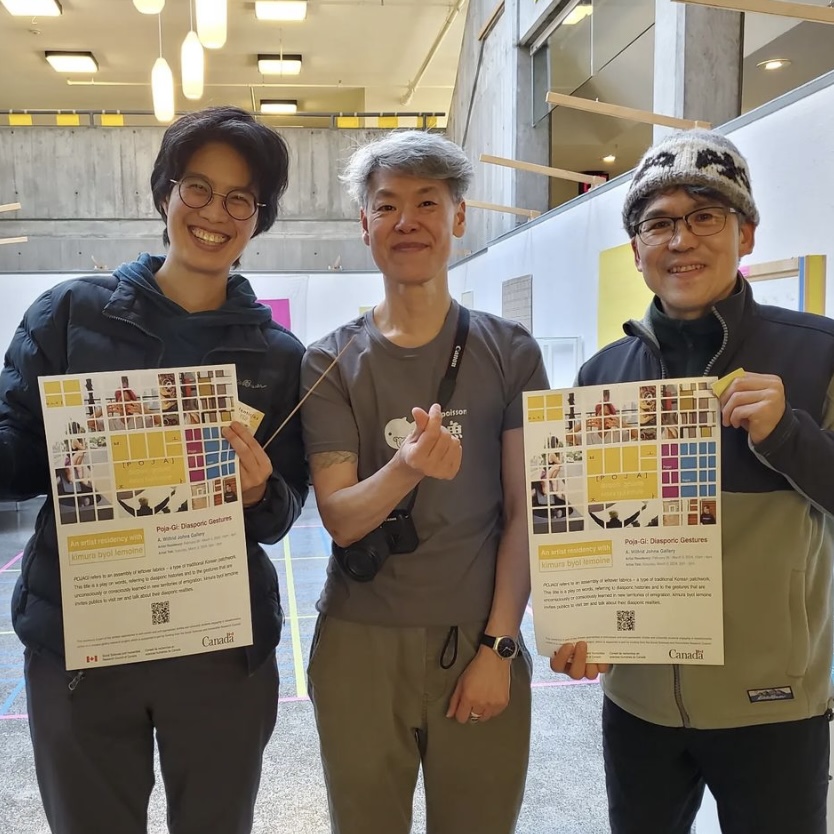
Poja-Gi: Diasporic Gestures
kimura byol lemoine invites publics to visit zer and talk about their diasporic realities. (In English / en français / konglishee)
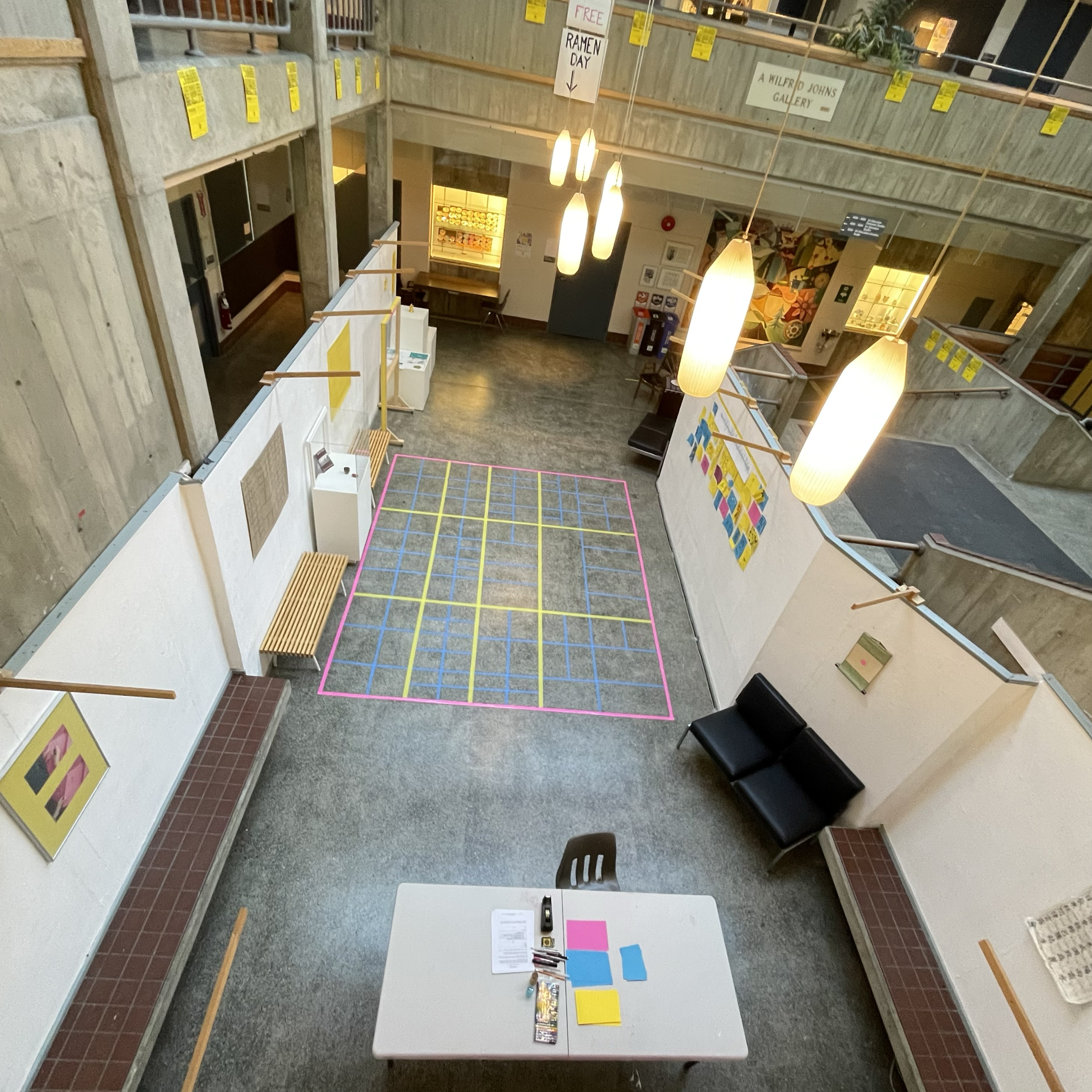
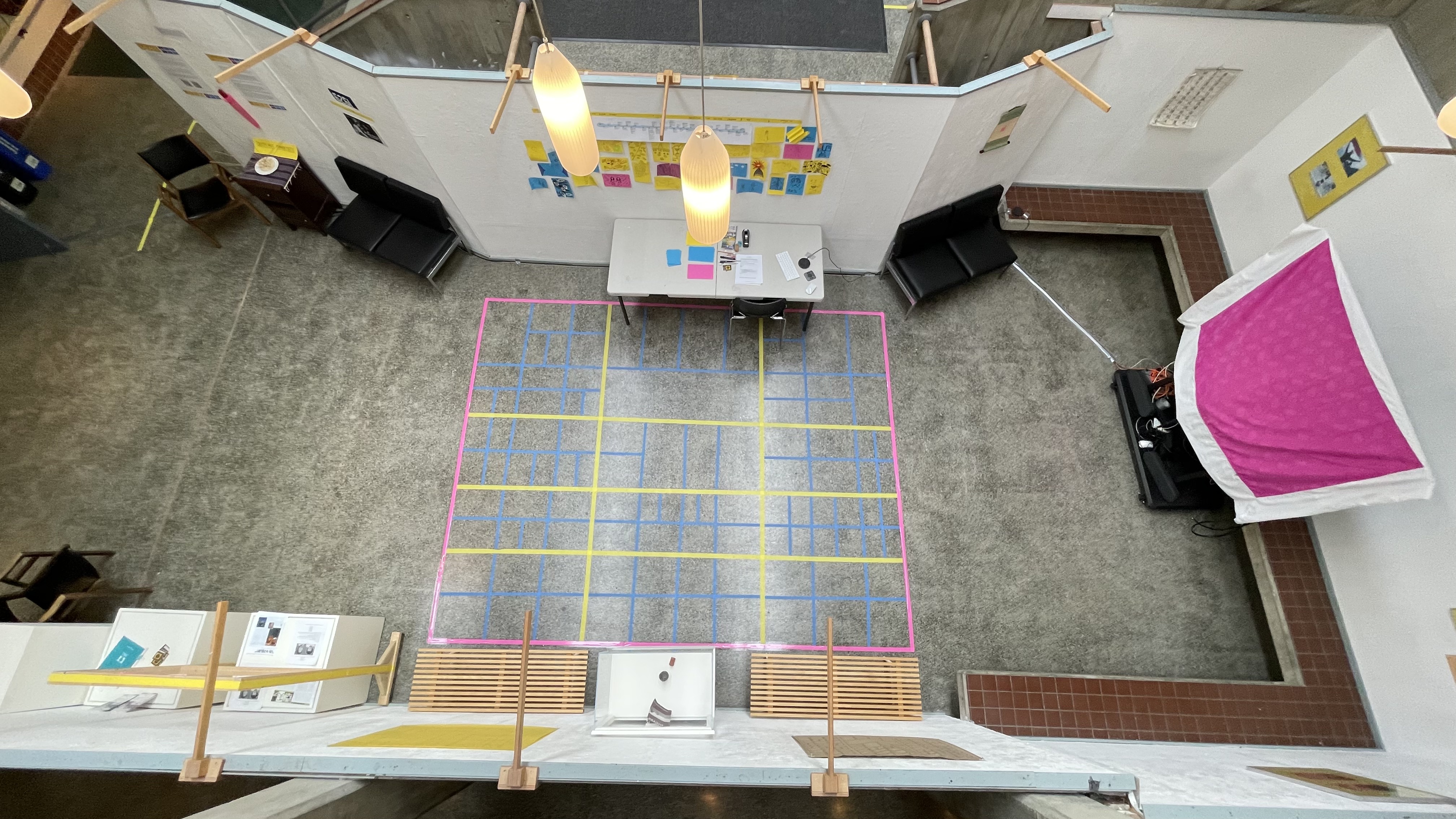
- A. Wilfrid Johns Gallery, University of Victoria, MacLaurin Building (Wing A)
- Artist Residency: February 26 – March 3, 10am – 4pm
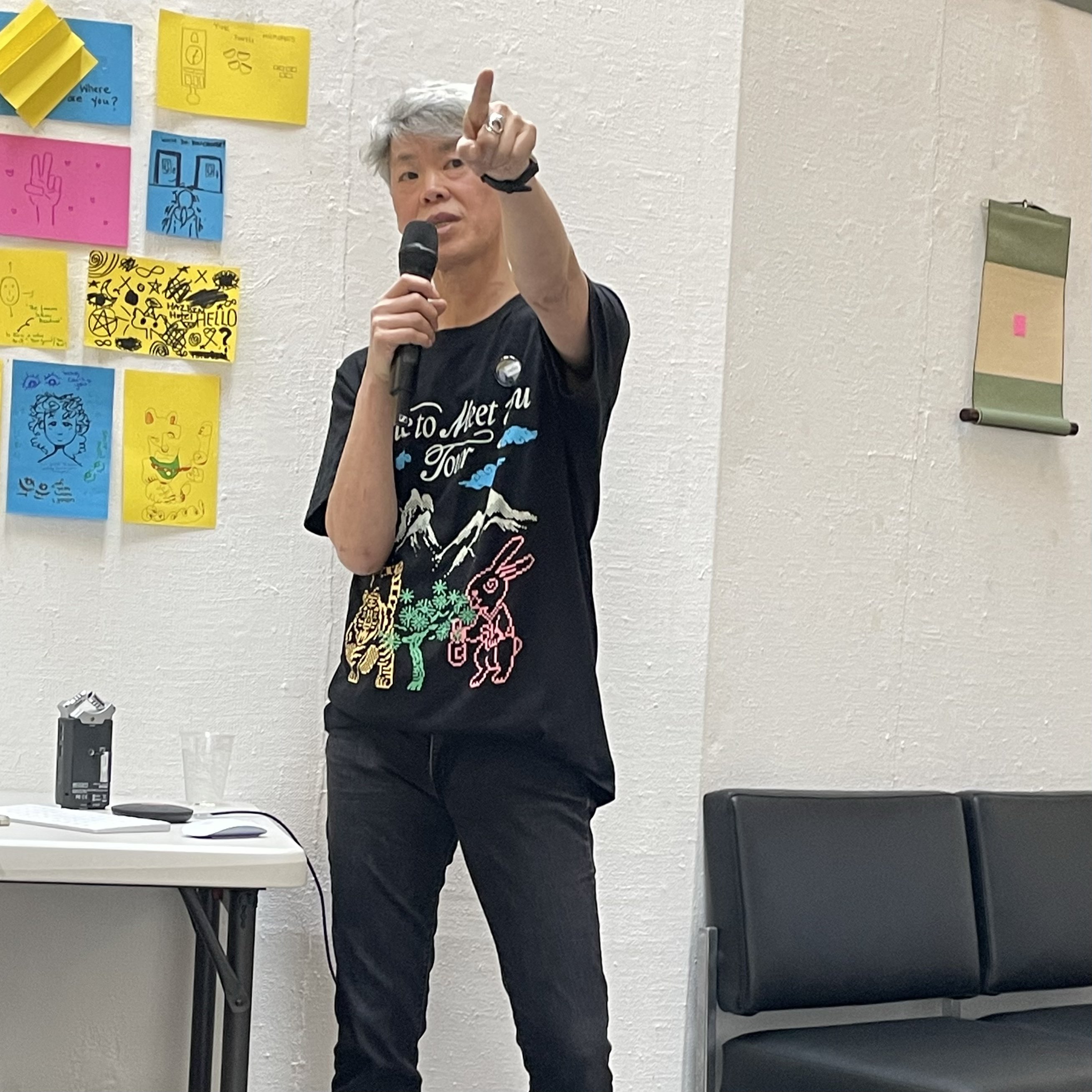
- Artist talk and film screening: Saturday March 2, 2pm – 3:30pm
- The talk will be in the gallery and online. You can access the zoom link here.
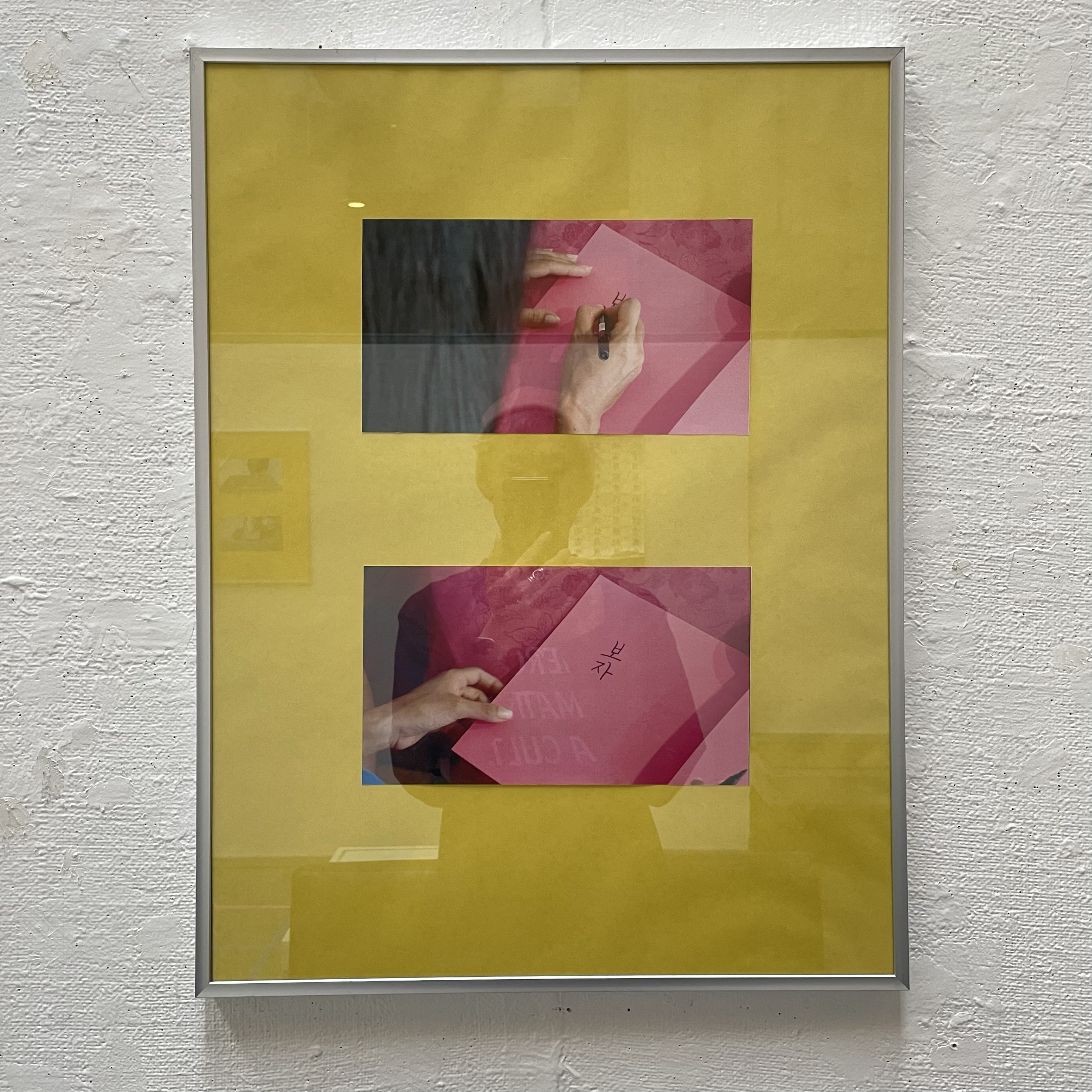
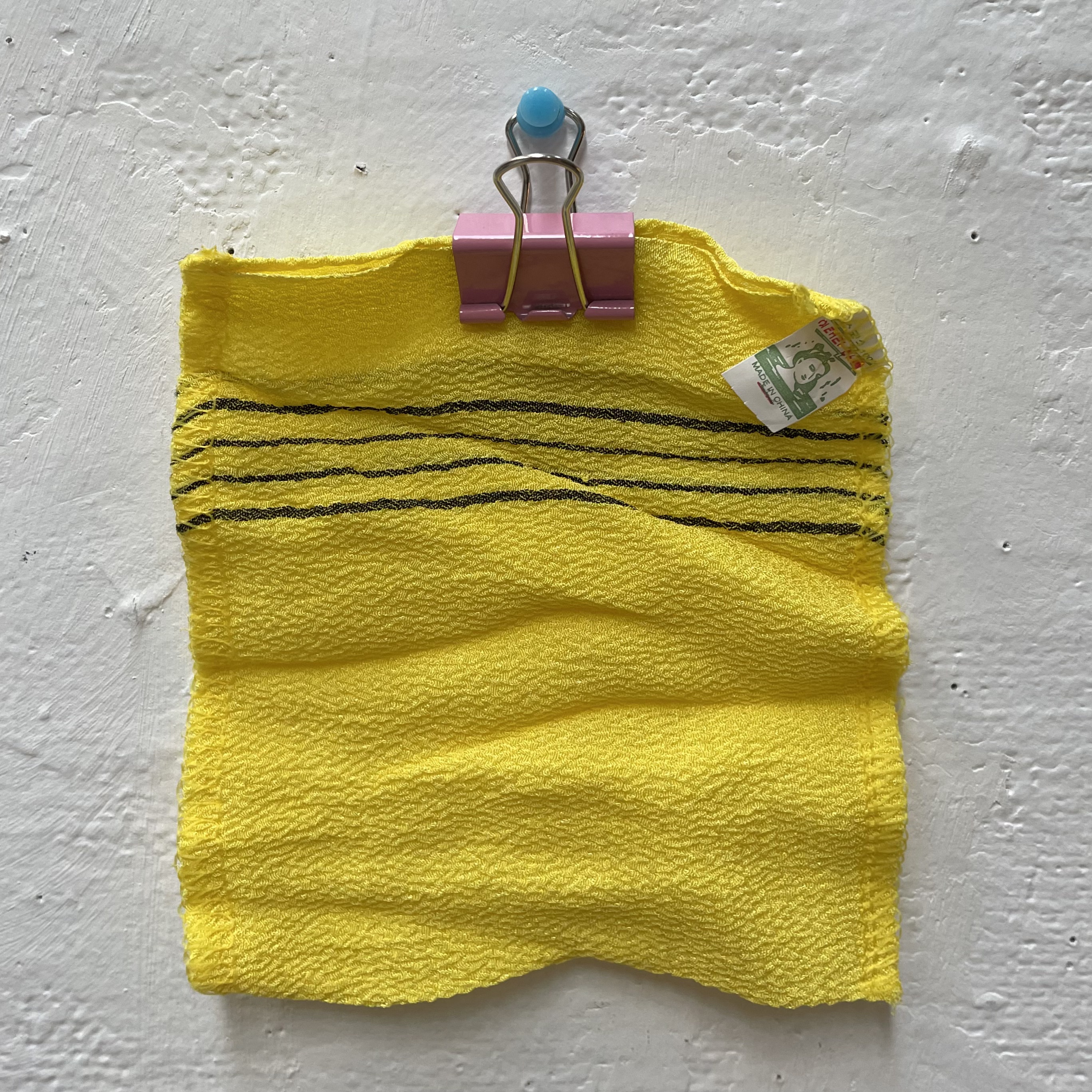
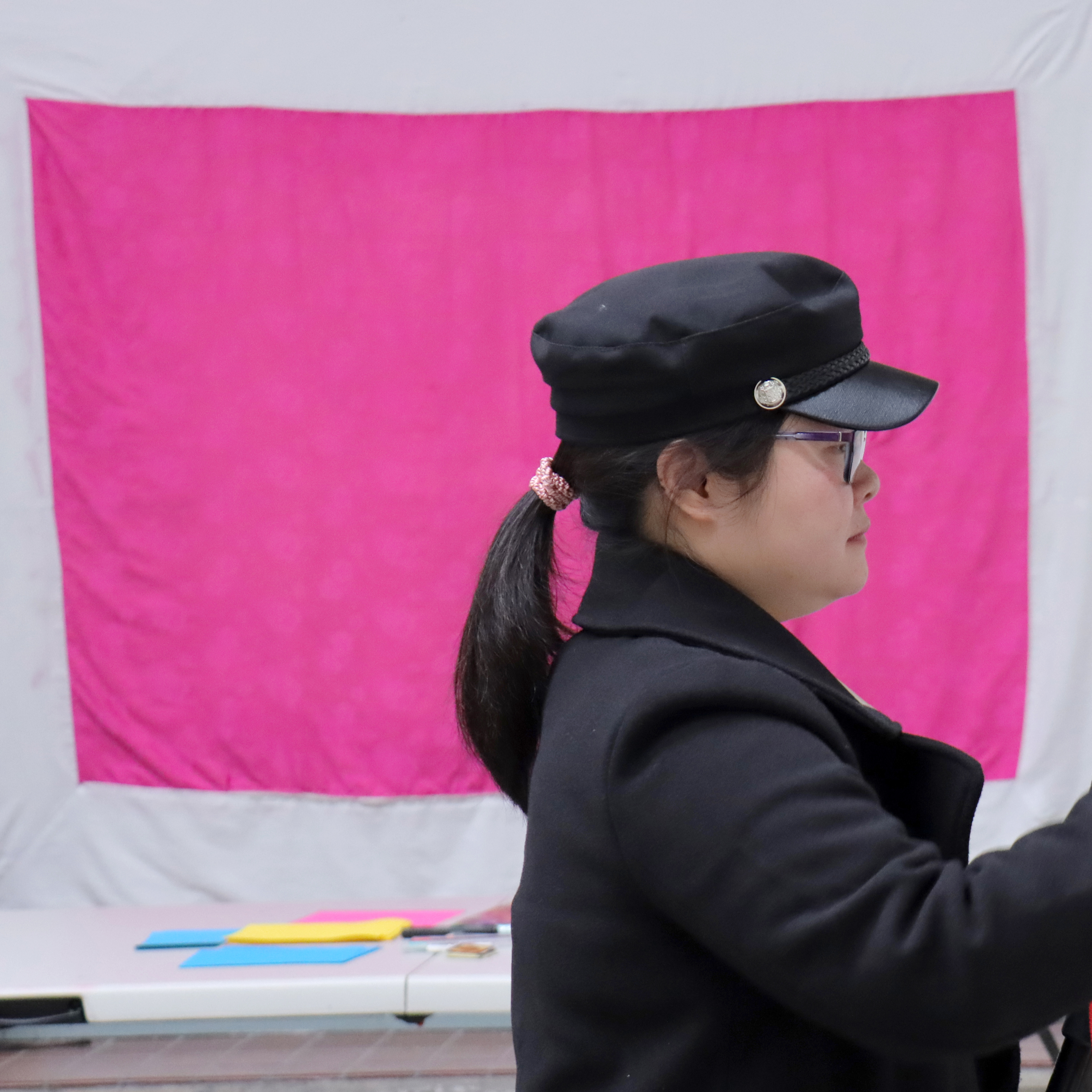
In Korean, POJA means “let’s look”. Deriving from the Korean word TAE GEUK GI (Tae meaning largeness and Geuk meaning eternity), GI is the name given to the red and blue circle on the Korean flag. When written as one word, POJAGI refers to an assembly of leftover fabrics – a type of traditional Korean patchwork. This title is a play on words, referring to diasporic histories and to the gestures that are unconsciously or consciously learned in new territories of emigration.
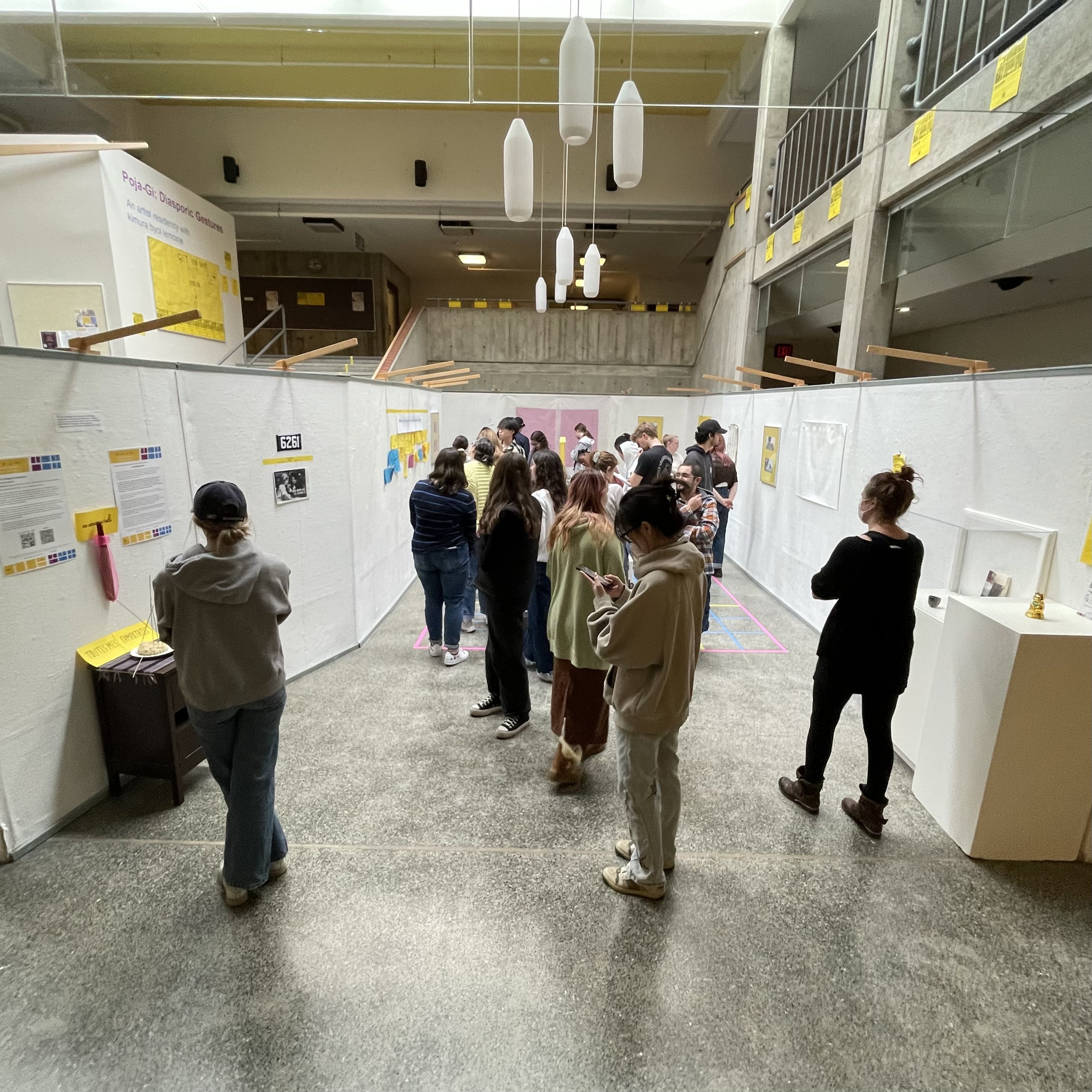
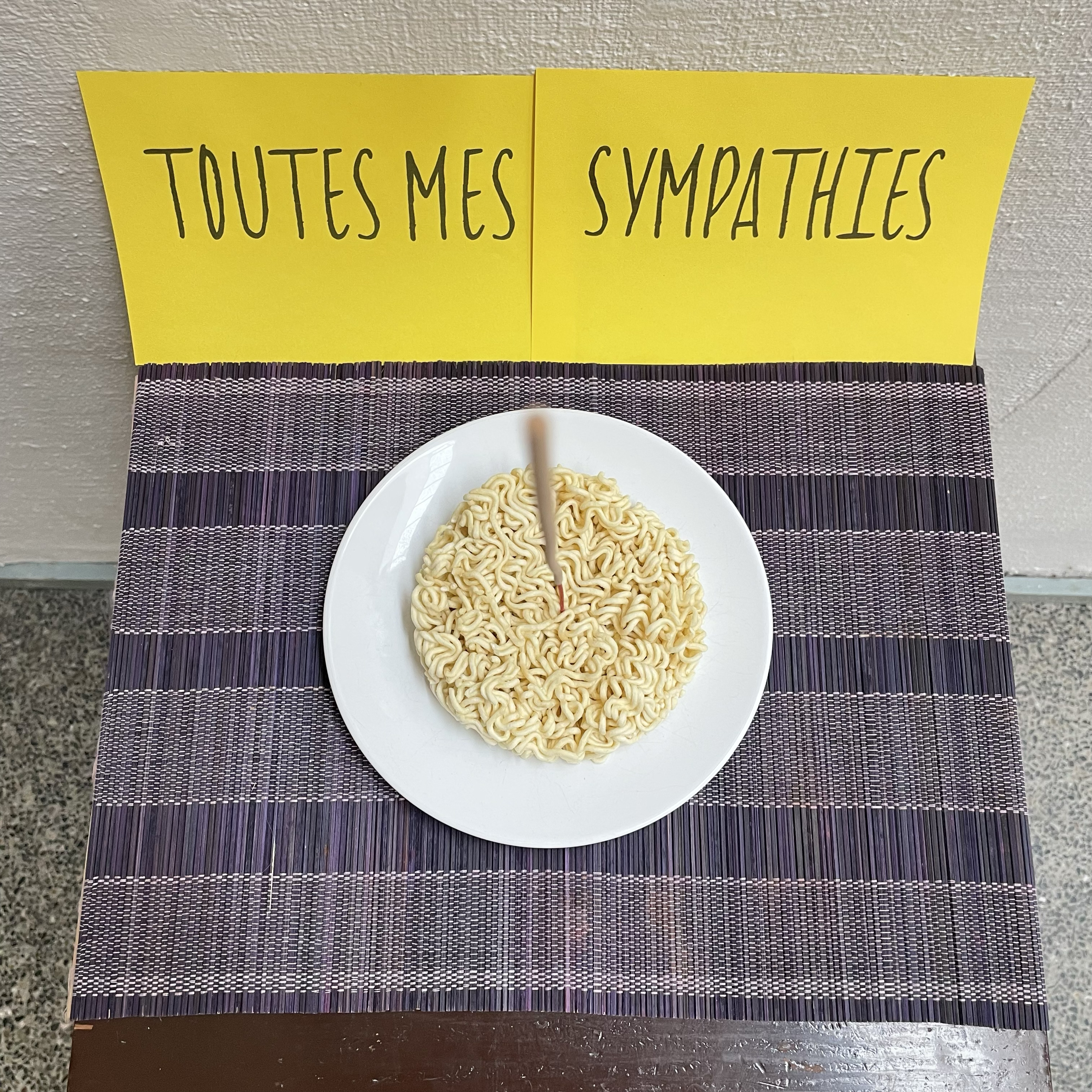
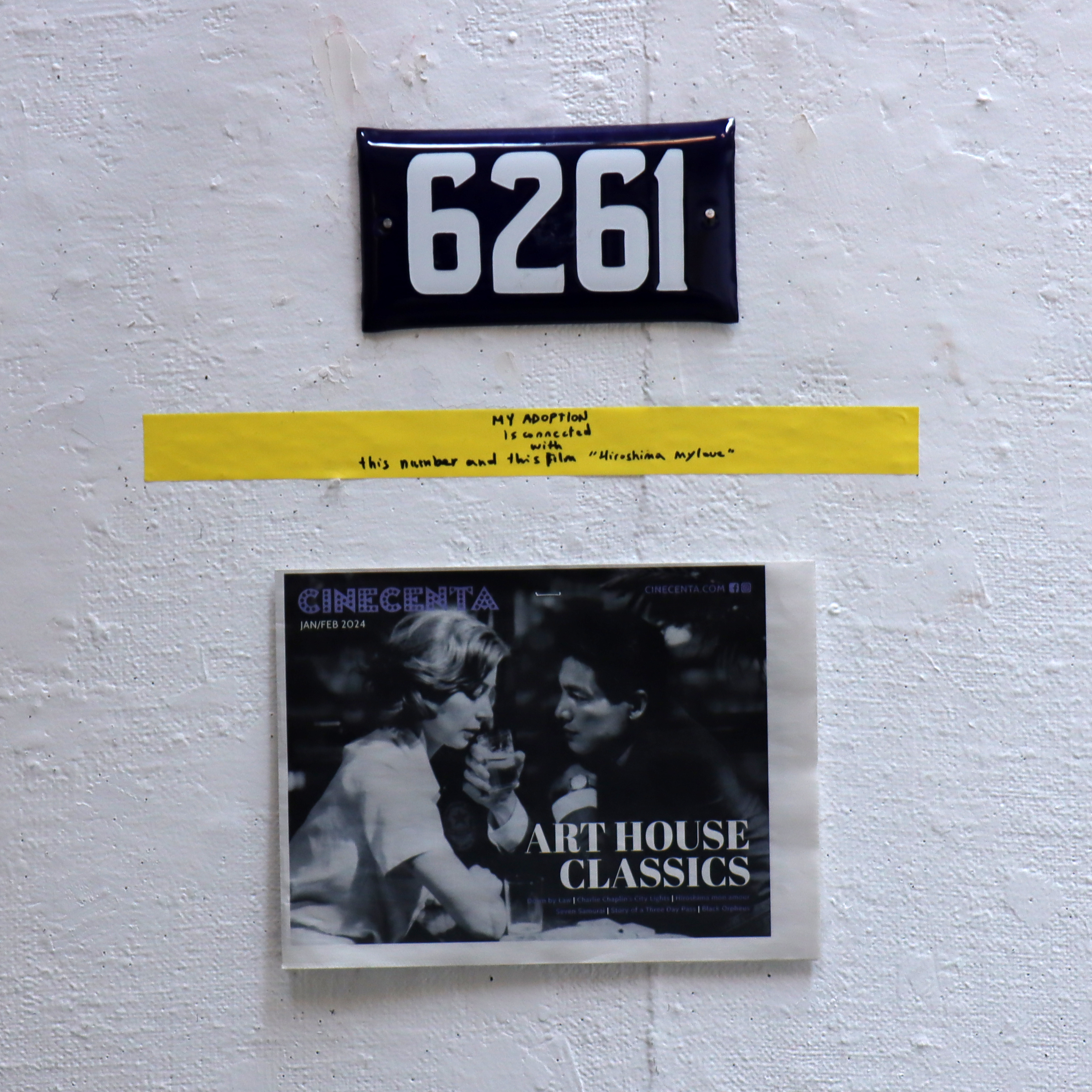
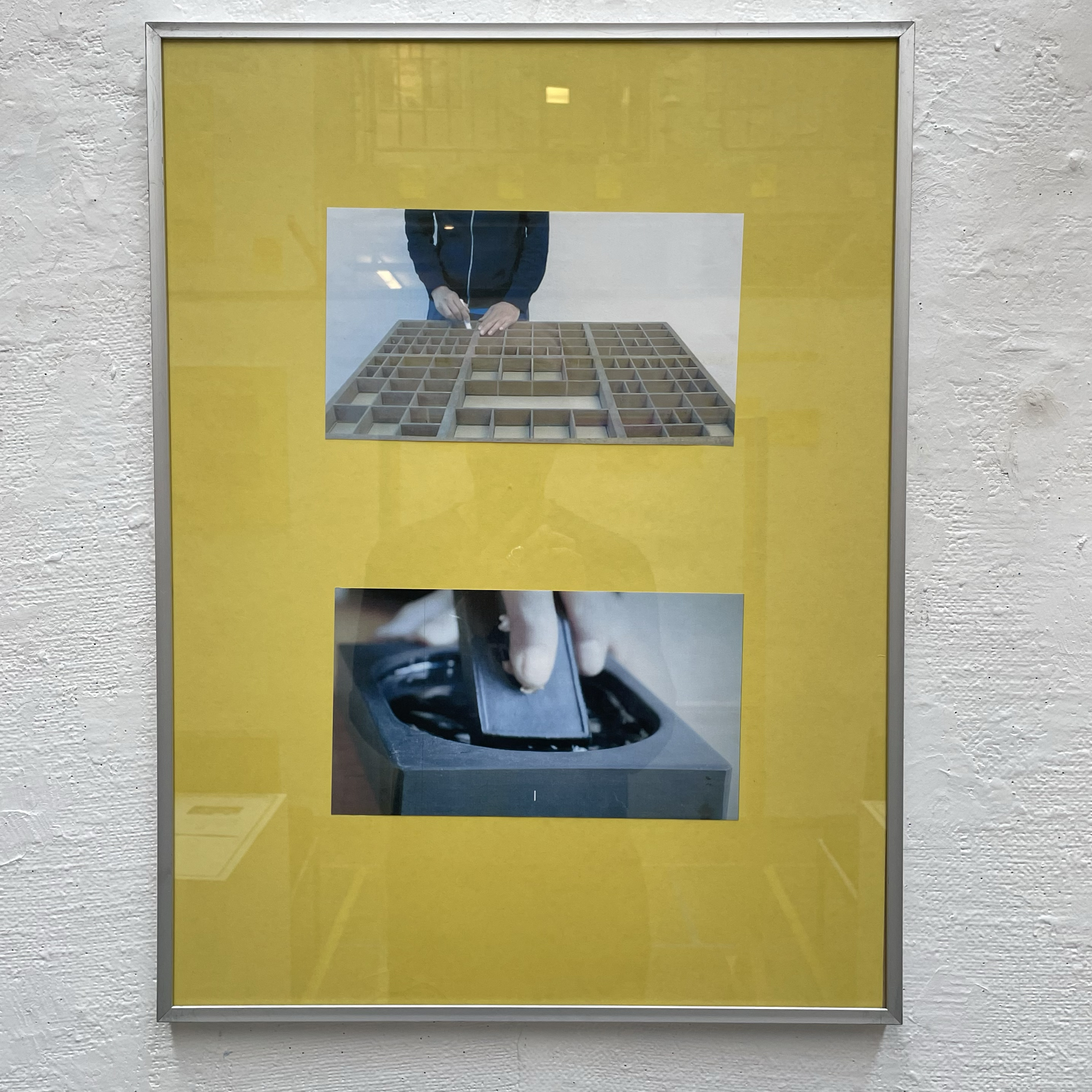
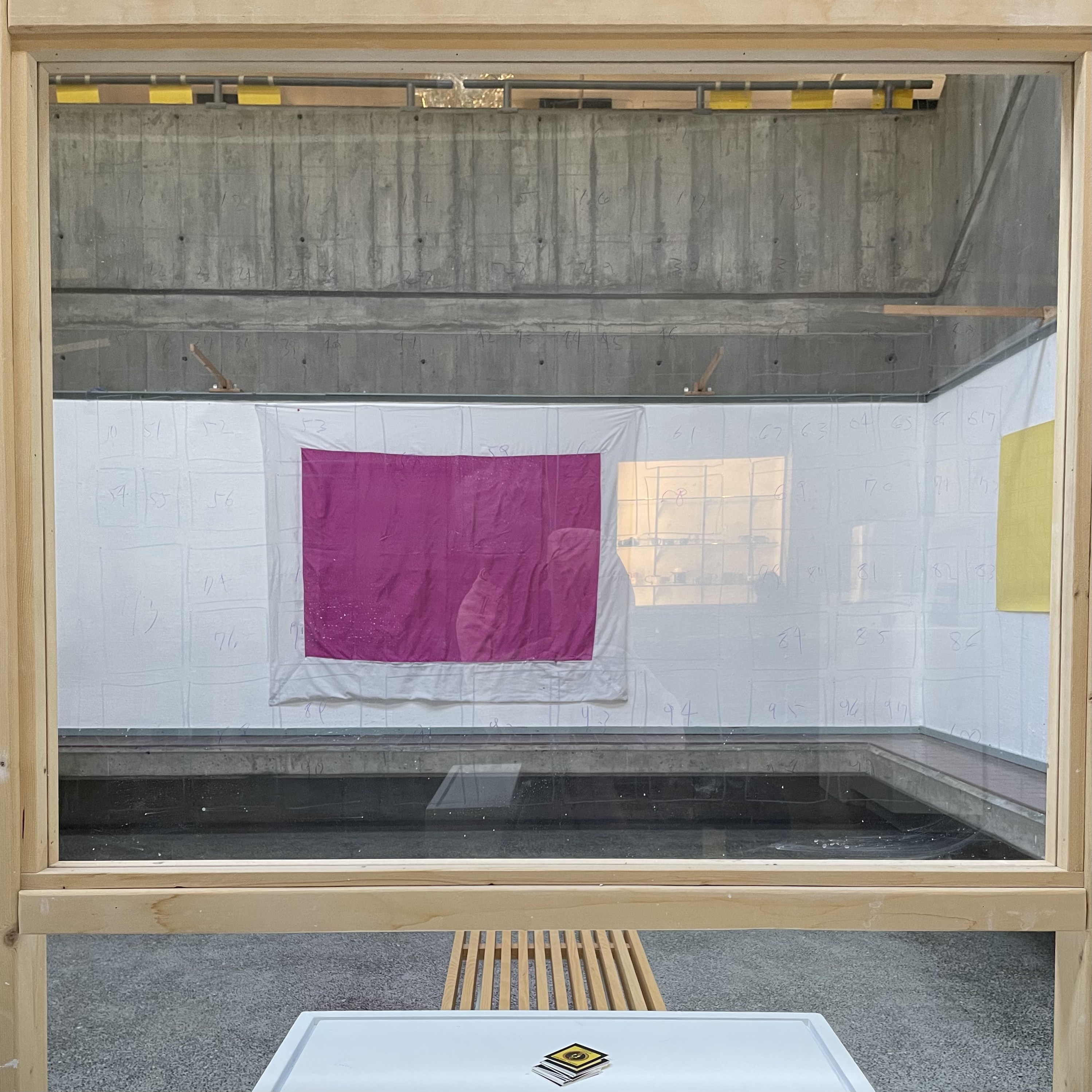
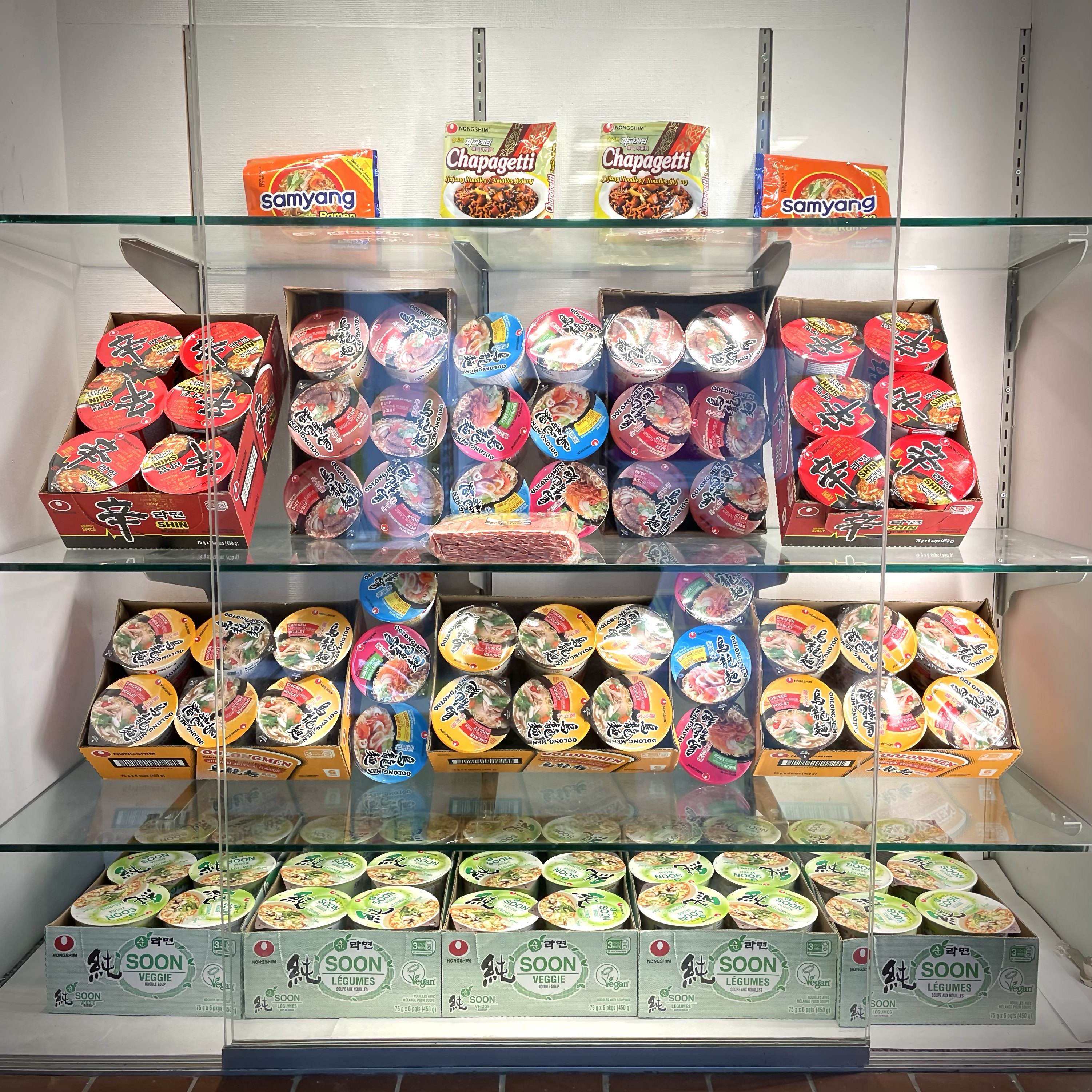
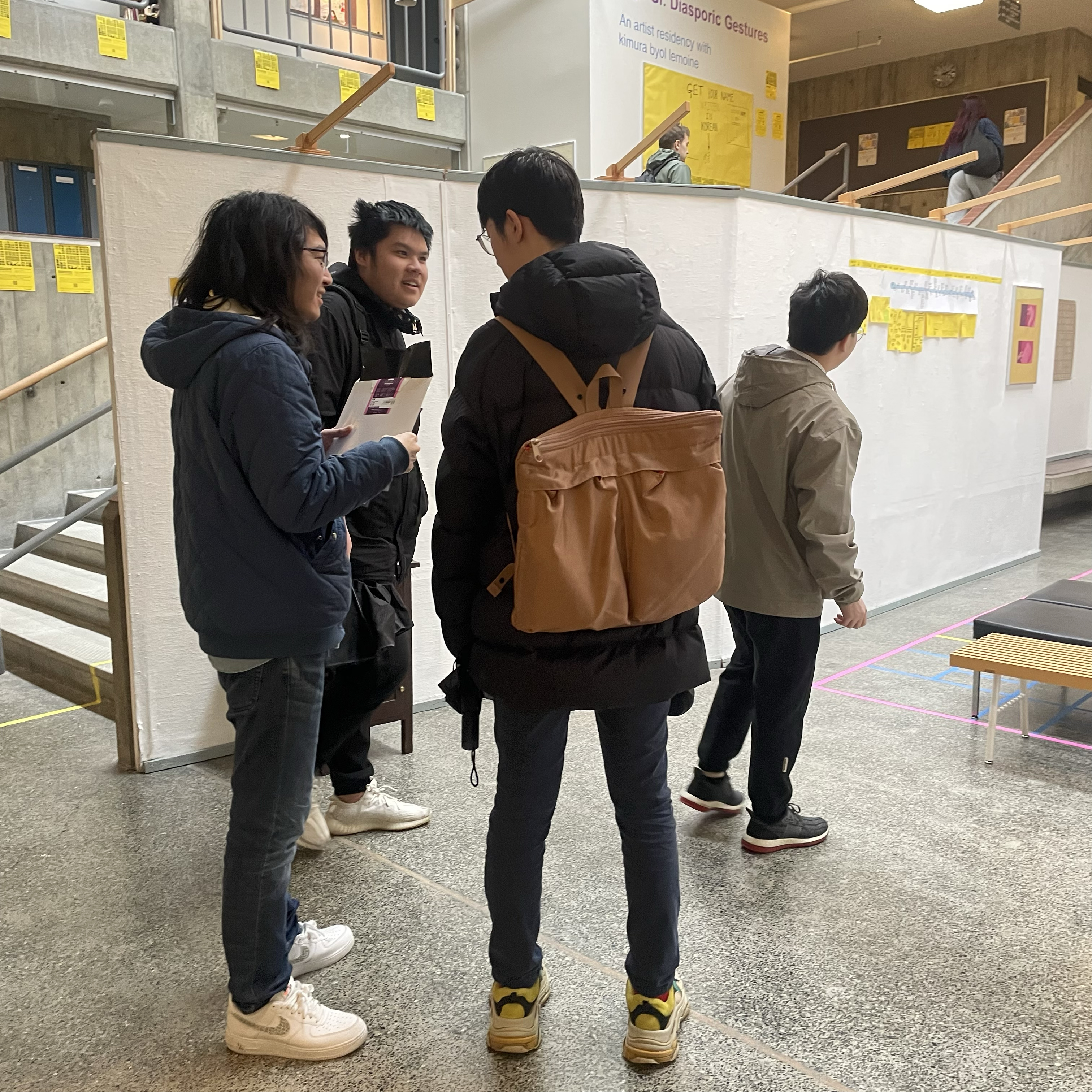
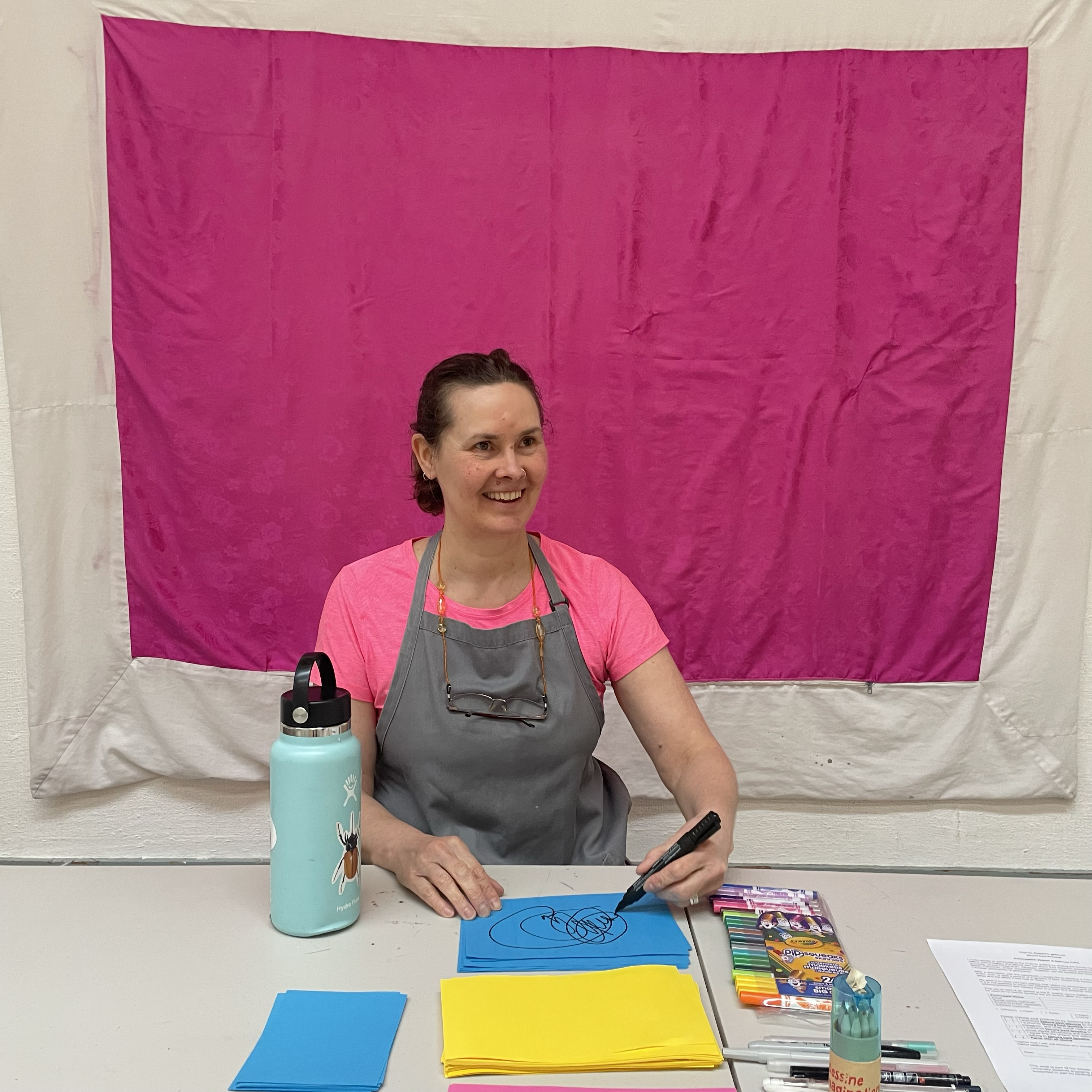
During this artist residency, kimura byol lemoine invites publics to visit zer and talk about their diasporic realities, whether international or domestic. With willing participants, lemoine will document the interactions with 100-second videos, illustrations, audio, zines, or photographic portraits of gestures that represent experiences of moving away. 100 art objects representing these encounters will fill the gallery, creating a poja-gi of stories and gestures of diasporic realities.
Research
The exhibition is part of a research project (Artistic approaches to anti-racism and anti-oppression: Artists and university students engaging in transformative action in a campus gallery)* conducted by Natasha S. Reid, Natalie LeBlanc, and Michelle Wiebe (Assistant Professors, Art Education, Dept. of Curriculum & Instruction). This research is investigating how participatory artistic practices can assist in situating a university gallery as a community site for learning about ant-racism and anti-oppression. If you choose to contribute to the artwork in this exhibition, your contributions will be included in the documentation, analysis, and dissemination of the research.
As part of the research, unidentifiable photographs, drawings, and videos of participants will be taken throughout the exhibition. If an identifiable image is accidentally taken, the image will be edited to remove identifying information (i.e., blurring, blocking, or cropping faces) or deleted.
The researchers are also looking for individuals who are interested in participating in a 30- to 45-min. interview or responding to a questionnaire, which will examine their experiences with the exhibition.
If you have any questions about the research project or kimura’s residency, please contact Natasha (natashareid@uvic.ca or 250-721-7896), Natalie (natalieleblanc@uvic.ca or 250-721-7895), or Michelle (mxw@uvic.ca or 250-721-7894).
If you are interested in participating in kimura’s residency, please download the consent form by clicking the button below. After you fill out the form, please contact the research assistant, Shadi Moalem Bajestani, and email it to her at (shadimoalem@uvic.ca).
https://onlineacademiccommunity.uvic.ca/wpjohns/artists-in-residence-kimura-byol-lemoine/















We acknowledge and respect the lək̓ʷəŋən peoples on whose territory the University of Victoria stands, and the Songhees, Esquimalt and W̱SÁNEĆ peoples whose historical relationships with the land continue to this day.
 star~kim project (kimura byol lemoine)
Leave a comment